

Computer Vision Workshop Rebooted and Successfully Completed Under Road to IRO Initiative
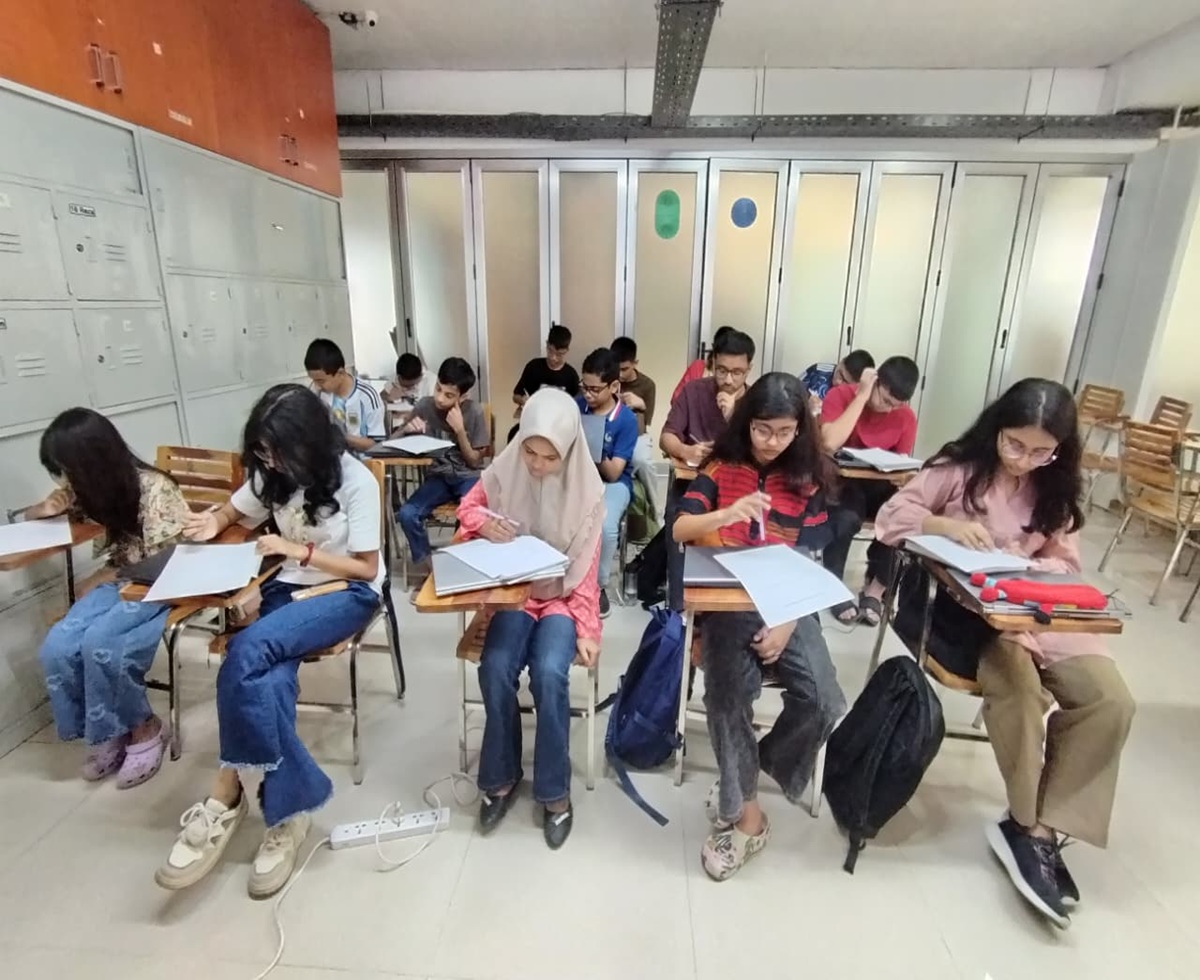
Following strong interest from robotics enthusiasts, the workshop titled Introduction to Computer Vision to Inspect Cultural Heritages was successfully conducted once again on 12 June 2026 as part of the Road to IRO Workshop Series.
The workshop was jointly organized by the Bangladesh Robot Olympiad and the Bangladesh Open Source Network to help students strengthen their understanding of Computer Vision and Artificial Intelligence technologies relevant to this year's International Robot Olympiad theme.
The decision to relaunch the workshop came after the successful completion of its first session, which generated significant enthusiasm within the robotics community. Many students who had been unable to participate in the earlier workshop requested an additional opportunity to attend, while others expressed interest in exploring the subject in greater depth. In response to this overwhelming demand, the organizers arranged a second session to ensure that more students could benefit from the learning experience.
As the current International Robot Olympiad theme highlights the development of intelligent robotic systems capable of addressing challenges related to cultural heritage, Computer Vision was presented as one of the most important enabling technologies in modern robotics. Participants learned how robots use visual information to understand their surroundings, recognize patterns, identify objects, and make intelligent decisions based on real world data.
The workshop introduced students to both the theoretical foundations and practical applications of Computer Vision. Participants explored how visual data collected from cultural heritage sites could be processed and analyzed to support robotic inspection, monitoring, documentation, and preservation activities. Through carefully designed exercises, students gained insight into how robots can be trained to detect meaningful features and extract valuable information from images.
One of the most engaging aspects of the workshop was its strong emphasis on hands on learning. Participants worked directly with real images of cultural heritage sites in Vienna and applied a variety of image processing techniques to solve practical challenges. Through guided activities, students learned how different Computer Vision algorithms operate and how they can be integrated into intelligent robotic systems.
The technical sessions covered several essential Computer Vision topics, including color detection, edge detection, object detection, face detection, shape detection, and image analysis techniques. Students observed how these methods can help robots identify structural features, detect visual changes, and interpret complex environments with greater accuracy. The workshop also demonstrated how multiple Computer Vision techniques can be combined to improve the reliability and effectiveness of robotic perception systems.
Beyond the technical concepts, the workshop provided participants with a broader understanding of the growing role of Artificial Intelligence in robotics. By working with authentic visual data and implementing real algorithms, students experienced how theoretical knowledge can be transformed into practical solutions for real world challenges.
The successful completion of this rebooted workshop highlighted the increasing enthusiasm among young learners for advanced technologies such as Artificial Intelligence and Computer Vision. It also demonstrated the eagerness of students to acquire specialized skills that can support their participation in international robotics competitions and future technological innovation.
Through initiatives such as the Road to IRO Workshop Series, the Bangladesh Robot Olympiad and the Bangladesh Open Source Network continued their commitment to providing students with meaningful learning opportunities that connect education, technology, and real world problem solving. The workshop not only expanded participants' technical knowledge but also inspired them to explore how intelligent robotic systems can contribute to the preservation and understanding of cultural heritage around the world.